Table Of Content

Girls 13 years or younger and boys 8 or younger are usually permitted to enter the baths of either gender. In other prefectures, the cut-off age can be as high as 16 in Hokkaidō or as low as 5 in Hyōgo. Some ports in Hokkaidō, frequently used by foreign fishing fleets, had problems with drunken sailors misbehaving in the bath. Subsequently, a few bathhouses chose not to allow foreign customers at all.
9 best onsen and sento in Tokyo for people with tattoos - Time Out
9 best onsen and sento in Tokyo for people with tattoos.
Posted: Mon, 16 Oct 2023 07:00:00 GMT [source]
Showa Kinen Park Flower Festival 2024: Enjoy Nemophila, Tulips, and More!
This accelerated the change from wooden baths to tiled baths, as almost all new bathhouses were now built in the new style using tiled bathing areas. At the end of the Taishō period, faucets also became more common, and this type of faucet can still be seen today. These faucets were called karan (カラン, after the Dutch word kraan for faucet). There were two faucets, one for hot water and one for cold water, and the customer mixed the water in their bucket according to their personal taste. During the Meiji period (1867–1912) the design of Japanese baths changed considerably.
Books on Japan & Japanese Culture
If you’re keen for a jog, the bathhouse also functions as a running station where customers can leave their belongings and take a bath upon their return. In Japan, it’s not hard to find locals bathing in a public onsen and immersing themselves in the forest—wellness is woven into the fabric of everyday life. With nature considered divine in the Japanese indigenous religions of Buddhism and Shintoism, wellness in Japan is built around the prevalence of volcanoes, forests and hot spring pools.
Convenient Japanese Phrases For Hot Springs!
If you have a small tattoo, you may be able to get away with a bandage or a bit of athletic tape, like at Solaniwa onsen, a spa in Osaka. However, this isn’t the ideal option as it shows disrespect for the local tradition and may make people uncomfortable. The number of sentō in Japan has dwindled to 4,000, or less than a quarter of the total in their 1960s heyday. One big factor is the steady spread of Japanese homes equipped with baths. Daikokuyu in Adachi, Tokyo, is known as the “king of sentō.” The front entrance is no longer used and customers go around to the right-hand side to enter. During the Edo period communal tubs were generally housed in dark, almost windowless rooms with low entranceways to prevent steam from escaping.
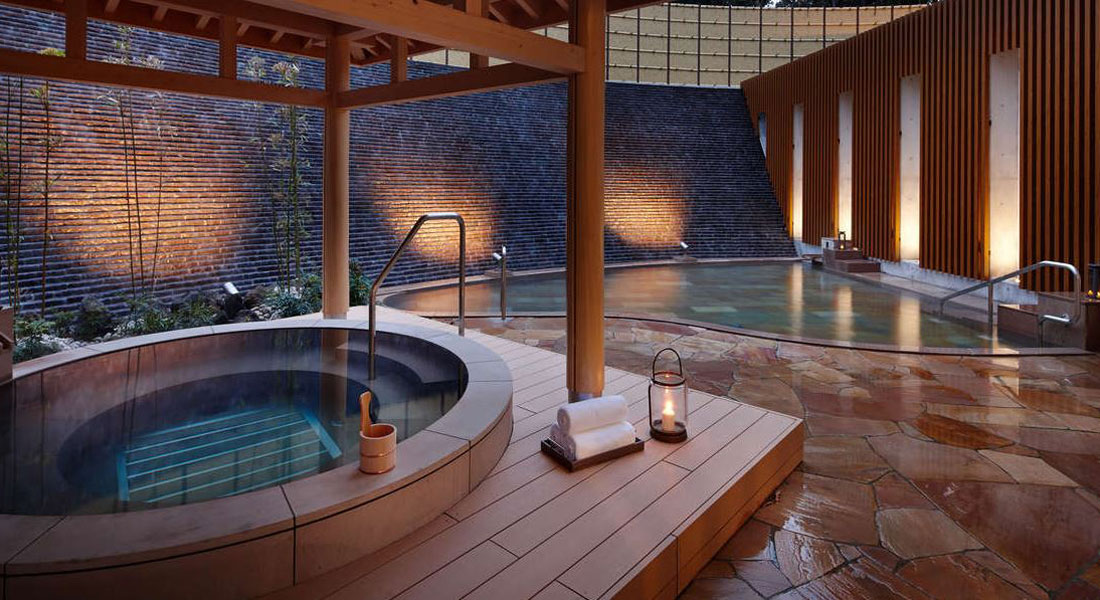
Things to Know Before You Use Onsen and Sento
Your first sento or onsen experience may be a little intimidating, but you’ll start to relax and feel right at home after a few minutes. They are meant to be relaxing for visitors, and after your nerves calm down about being naked in front of others, you’ll soon fall right into the swing of things. Don’t worry if you don’t do something perfectly the first time, but in saying that, most sento customs are pretty much common sense.
At the time, homes did not have private baths, so each neighborhood had a public bath. Since then, this communal space has remained a cornerstone of bathing culture in Japan. Everyone can experience this part of Japanese culture by dipping into onsen (hot springs) and public baths.
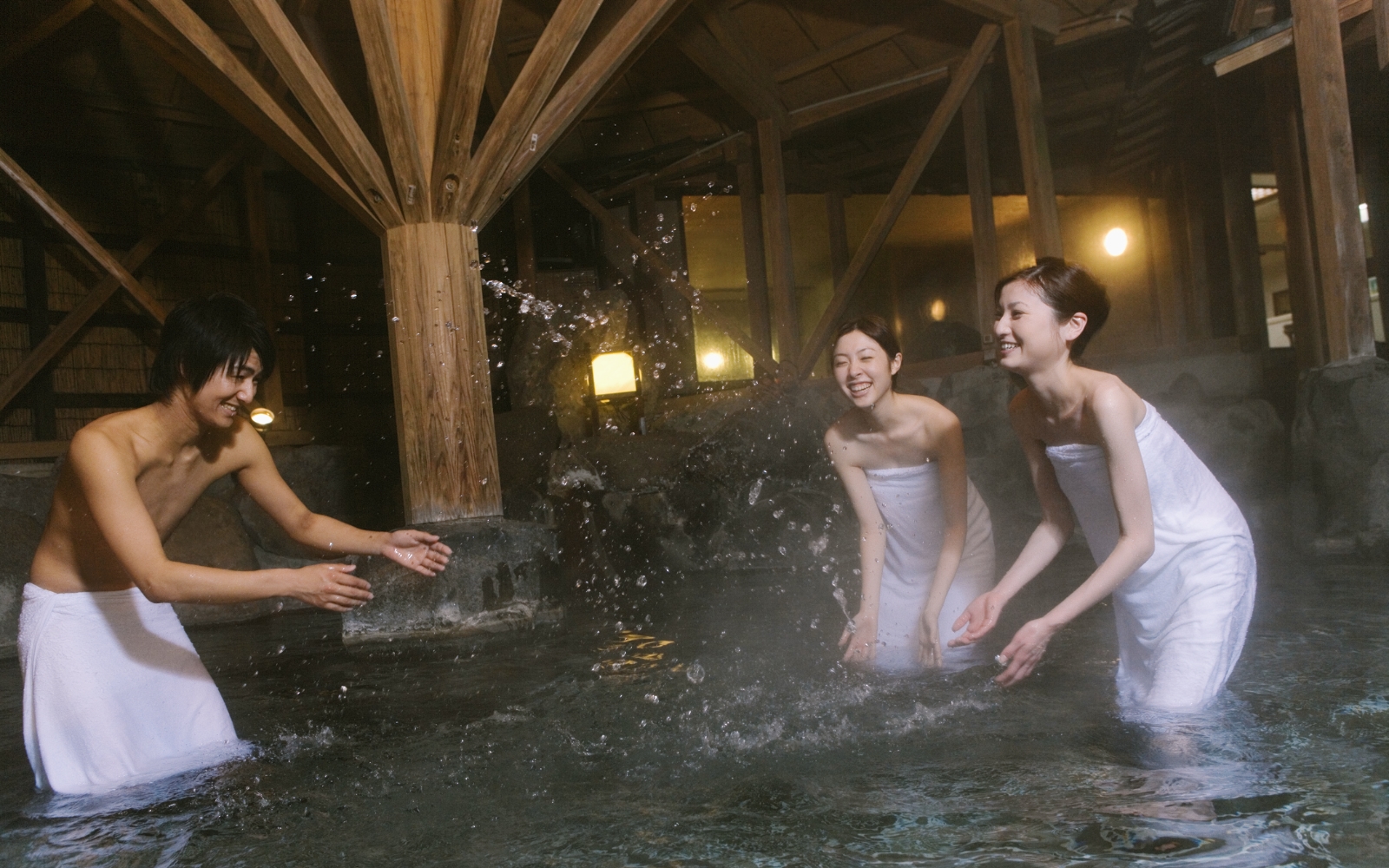
Instead of allowing water to run over yourself as you clean considered wasteful in Japan - pour water over your body with a shallow plastic bucket provided by the sento. For pop culture enthusiasts, the manga Thermae Romae provides an entertaining introduction to those looking to learn more about the culture of public bathing. Bathers can enjoy a relaxing soak in a communal tub as well as a variety of other services. Inside there are separate changing and bathing areas for men and women, which are generally marked by a long noren (curtain). In the past, bathhouses provided only simple shelves and baskets for storing items, but changing rooms are now equipped with securable lockers. Public baths, or sentō, are one of a variety of ways of enjoying bathing in Japan.
An off-the-beaten-path nature retreat out of Tokyo
The first thing to remember is to remove your shoes - the first rule any foreigner should heed when entering a Japanese private space. None of these various shared features are essential to the bathing experience. It may be connected to the traditional love of ostentatious display in old Edo.
These serve a dual role, venting steam from the baths and exhaust from the furnaces used to heat bathwater. Inside the bathing area of a sentō, bathers will often find a majestic painting of Mount Fuji adorning the sidewall above the tub. This distinctive aspect of sentō culture, however is slowly fading as the number of public bathhouses wanes.
By creating a visually playful space away from the humdrum world, they also help their customers to forget their everyday cares. There are roughly two types of bathhouses in Japan, onsen (温泉) and sentō (銭湯). Visiting a Japanese bathhouse doesn’t necessarily come with a large price tag, but can still be a luxurious and relaxing affair. An underrated experience that not many travellers know about, dropping by a sento for a dip is a definite must-do during your trip to Tokyo. There is a rooftop rotenburo, or outdoor bath, made of wood – a rare find in the heart of the city.
At ¥300 per adult, the cheapest prefectures to sentō baths are in Yamagata, Tokushima, Nagasaki, Ōita, and Miyazaki. When we're not traveling, you can usually find us in the mountains or enjoying a cappuccino at a cozy coffee shop. Welcome to the world, as seen through the eyes of Cameron Seagle and Natasha Alden. On our personal site, The World Pursuit, readers will find our experiences, gear reviews, photography, tips, and informative travel guides from nearly 100 countries and seven continents. This sento has retained the charm and character of its early 1900s look, but the bathroom has been completely renovated.
Depending on the size and style of the bath house, there may also be outdoor baths. These often go hand-in-hand with little gardens or sections of potted plants and are guarded with high walls that prevent anyone from looking in. Some will keep their towel with them as a sign of modesty while walking from bath to bath, especially in mixed bathing situations.
Now it's one of my favorite parts of visiting Japan, because it's relaxing and provides a unique window into Japanese culture. Beyond the cosmetic benefits of making skin glow, a lymphatic drainage massage can help treat health conditions like rheumatoid arthritis, chronic venous insufficiency, fibromyalgia and lipedema. Either way, the use of gentle, repetitive strokes is sure to leave you feeling relaxed.
The project is yet another by Kentaro Imai, who took the concept of “Shibuya Crossing” as his inspiration, aiming to create a public bathhouse that aids community building and cultural exchange. There are hot and cold tubs, a carbonated bath and a popular sauna which often requires visitors to queue. There’s also a rental space for exhibitions and workshops, and a small shop selling trendy branded clothing and merchandise so you can wear a piece of the bathhouse home. Kogane-yu’s sister, Daikoku-yu, has firmly cemented itself as a community hub just south of Tokyo Skytree.
Depending on the size of the place, you’ll find row upon row of small stools placed in front of counters about a foot off the ground. Once you figure out the right location for you, the next thing you’ll need is a towel. Instead, if you want to take a relaxing dip, try seeking out tattoo-friendly onsen. In fact, one of Japan’s most famous onsen in Hyogo prefecture welcomes the inked with open arms. Records show that by 1810 there were 523 sentō in the city, demonstrating just how much Edoites loved a good soak. The Sumida River is Tokyo's best known river and is a great place to see as visitors to the Japanese capital, offering numerous cruise options, and dotted with a medley of photogenic bridges.
These baths are supposed to have great muscle-relaxation qualities. Often you’ll see a thermometer reading next to each bath, noting how hot it is in degrees Celsius. The standard warm bath range is in the low 40s Celsius (104 Fahrenheit and up), and they’re often spiced up with shallow reclining seats, jets, or the basic benches running along the sides. Even the most old school bath house in Japan tends to have at least a few different types.


No comments:
Post a Comment